


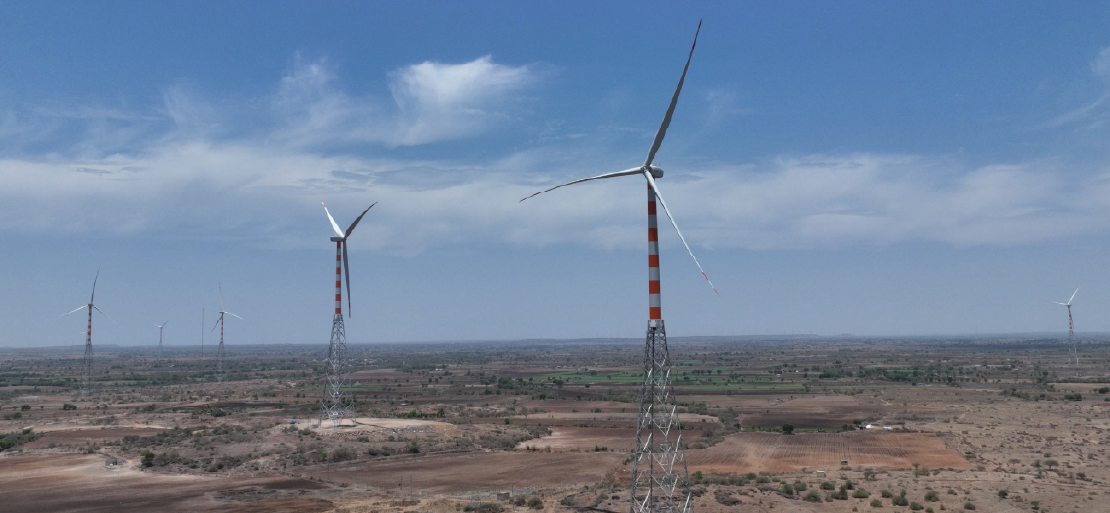
As India is making great progress towards a more sustainable and greener future, Wind Energy is particularly important for meeting India’s energy demands by 2030 in a sustainable manner as the nation grows its portfolio of renewable energy sources.
Wind Power is a clean and renewable energy source. Not only is wind an abundant and inexhaustible resource and does not contaminate, but it also provides electricity without burning any fuel or polluting the air. As it is inexhaustible, it reduces the use of fossil fuels, which are the origin of greenhouse gasses that cause global warming. With the goal of supplying a significant amount of the country’s energy needs by 2030, wind energy has become an important flag bearer of renewable energy in India due to its endless supply and minimal environmental impact. Wind Energy in India is playing an instrumental role in the global shift towards sustainable energy, leading the way in the adoption of renewable energy solutions.
Wind Energy is economical as well as sustainable. Because of economies of scale and technology advancements, Wind Power has become less expensive than traditional fossil fuels. Because of their efficiency and extended lifespan, modern wind turbines need less maintenance. In the long run, wind energy is a cost effective alternative because of this decrease in operating expenses. Investors who care about the environment are drawn to its sustainability, which encourages further investment in the industry. The benefits of wind energy in India include not only economic incentives but also long-term sustainability and environmental preservation.
Wind power projects are capital-intensive projects with a large land requirement. Due to minimum spacing between wind turbines and low plant load factor, they may need up to 200 times more land to produce electricity similar to conventional fossil fuel power plants. Acquisition of land and related approvals is the most critical and risky aspect of installing a wind power plant, which has led to delays in multiple projects. Govt. has reduced risks in wind power generation by forming large renewable power parks with a ready infrastructure of land, connectivity, power evacuation etc. Once constructed, wind power projects need regular maintenance. However, due to a high degree of automation and established technology, operating & maintenance costs are low and wind power plants end up earning a high operating profit margin.
Currently, the business model is a low risk due to regulatory support. Govt. promotes renewable power offtake by stipulating renewable power obligation (RPO) and the discoms mostly enter into fixed-price power purchase agreements (PPAs) for almost 25 years, which is aligned with the life of the wind power plant of about 25-30 years. Therefore, wind power plants face low market risk. However, at times, discoms do not adhere to renewable purchase obligations (RPO) leading to lower demand for power despite available generation capacity. Moreover, wind power plants also face a risk of grid curtailment and lack of evacuation infrastructure, which may lead to suboptimal utilization of power generation capacity.
Creating meaningful capacities for wind power is a capital-intensive business. As a result, these plants are highly leveraged with a lot of debt, which puts a large burden on regular debt servicing cash outflows on the wind plant. Seasonal variations in wind power generation create cash flow mismatches for the plants, which have to maintain excess liquidity to meet operating, and maintenance expenses as well as debt repayments during periods of cash flow shortfall.
Also Read: How Solar Power Can Help Achieve Your Business’s Sustainability Goals
In recent years, the cost of wind power production has declined sharply and now, wind power has become cheaper than thermal power. However, it has simultaneously created problems for older wind power plants, which were completed previously at a higher investment. These plants have PPAs with discoms at a price, which is much higher than the current bid prices of wind power. As a result, they are facing issues of discoms attempting to renegotiate prices.
In addition, the
However, not only is Country’s energy portfolio being improved by the growth of the wind energy industry, but significant job opportunities are also being generated. Wind energy is proven to be a driver for job development, providing a variety of employment from technical to administrative duties throughout different areas of India, thanks to the considerable investments going into this industry.


AMPIN Editorial
At AMPIN Transition, our editorial team is dedicated to delivering credible, well-researched insights on clean energy, infrastructure, and sustainability. We aim to make complex topics simple and engaging - offering updates, practical tips, and thought leadership that help decision-makers and readers alike stay informed, inspired, and empowered on the journey toward a greener, more sustainable future.