


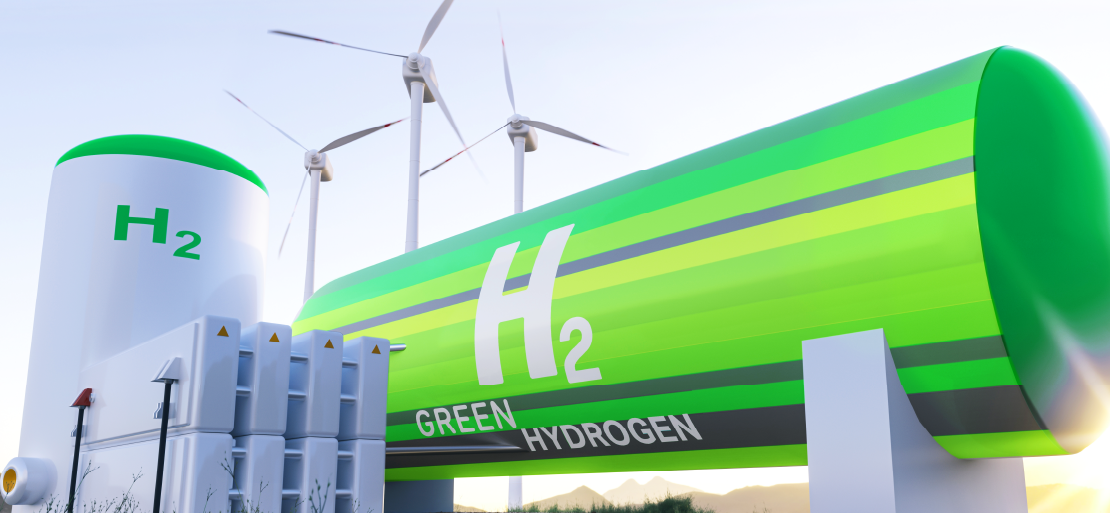
As the world grapples with the urgent need for sustainable energy solutions, green hydrogen production has emerged as a pivotal component in the transition to a low-carbon economy. Businesses across various sectors are increasingly recognising the potential of green hydrogen not only as a clean energy source but also as a strategic asset that can enhance their sustainability initiatives.
This blog explores how companies can effectively integrate green hydrogen into their energy strategies, leveraging renewable energy sources and aligning with global decarbonisation goals.
Understanding Green Hydrogen
Green hydrogen production is generated by splitting water molecules through electrolysis, utilising electricity sourced from renewable energy sources such as wind, solar, or hydroelectric power. This method ensures zero emissions during hydrogen production, positioning green hydrogen as a sustainable alternative to conventional hydrogen production methods, which often rely on fossil fuels and emit significant greenhouse gases. The global market for green hydrogen is projected to grow substantially, driven by increasing investments in renewable energy and advancements in electrolyser technologies.The Role of Renewable Energy Sources
To successfully integrate green hydrogen into business operations, organisations must first assess their current energy mix and identify opportunities for incorporating renewable energy sources. This will involve the following:- Evaluating Current Energy Usage: Businesses should analyze their existing energy consumption patterns and determine how much of their energy needs can be met through renewable sources
- Identifying Renewable Energy Opportunities: Companies can explore partnerships with renewable energy providers or invest in on-site generation capabilities such as solar panels or wind turbines.
- Assessing Infrastructure Needs: Understanding the infrastructure required for green hydrogen production and distribution is crucial. This includes evaluating the feasibility of electrolyser installations and storage solutions.
Developing Green Hydrogen Projects
Once businesses have established a foundation for integrating renewable energy, they can move forward with developing green hydrogen projects. Here are key steps to consider:- Pilot Projects: Initiating small-scale pilot projects allows businesses to gain practical experience with green hydrogen technologies. These projects can help validate the viability of hydrogen applications in specific processes or operations.
- Collaboration and Partnerships: Collaborating with industry partners, research institutions, and government entities can provide access to expertise, funding, and shared resources.
- Investment in Technology: Investing in advanced electrolyser technologies is essential for enhancing efficiency and reducing costs associated with green hydrogen production. Companies should stay informed about technological advancements that can improve their production processes.
Implementing Hydrogen Power Purchase Agreements (PPAs)
Hydrogen PPAs are contracts that enable businesses to secure long-term supplies of green hydrogen at fixed prices. Integrating these agreements into corporate decarbonization strategies offers several benefits:- Long-Term Energy Security: By locking in prices, businesses can mitigate risks associated with fluctuating energy markets, ensuring stable costs for their operations.
- Regulatory Compliance: As government imposes stricter emissions regulations, securing clean hydrogen supplies through PPAs positions companies favourably regarding compliance and sustainability commitments.
- Competitive Advantage: Early adoption of hydrogen PPAs allows businesses to adapt to changing regulations and market demands more effectively than competitors who may lag behind.
Scaling Up Green Hydrogen Integration
After establishing initial projects and securing supply agreements, businesses should focus on scaling up their green hydrogen initiatives:- Gradual Expansion: Companies can gradually increase their use of green hydrogen across various processes as infrastructure improves and costs decrease. This phased approach allows for risk management while building internal expertise.
- Integration Across Supply Chains: Businesses should explore opportunities to extend the use of green hydrogen beyond their operations to suppliers and partners, creating a more comprehensive decarbonization strategy throughout the supply chain.
- Continuous Improvement: Regularly assessing performance metrics related to green hydrogen initiatives will help businesses refine their strategies and adapt to evolving market conditions.
Addressing Challenges
While the integration of green hydrogen presents numerous opportunities, businesses must also navigate several challenges:- Infrastructure Development: The establishment of necessary infrastructure for production, storage, and distribution can be capital-intensive and time-consuming.
- Market Volatility: The evolving nature of the green hydrogen market may introduce uncertainties related to pricing and availability.
- Technological Barriers: Continuous advancements in technology are essential for improving efficiency; however, businesses must remain agile to adapt to these changes swiftly.


AMPIN Editorial
At AMPIN Transition, our editorial team is dedicated to delivering credible, well-researched insights on clean energy, infrastructure, and sustainability. We aim to make complex topics simple and engaging - offering updates, practical tips, and thought leadership that help decision-makers and readers alike stay informed, inspired, and empowered on the journey toward a greener, more sustainable future.