

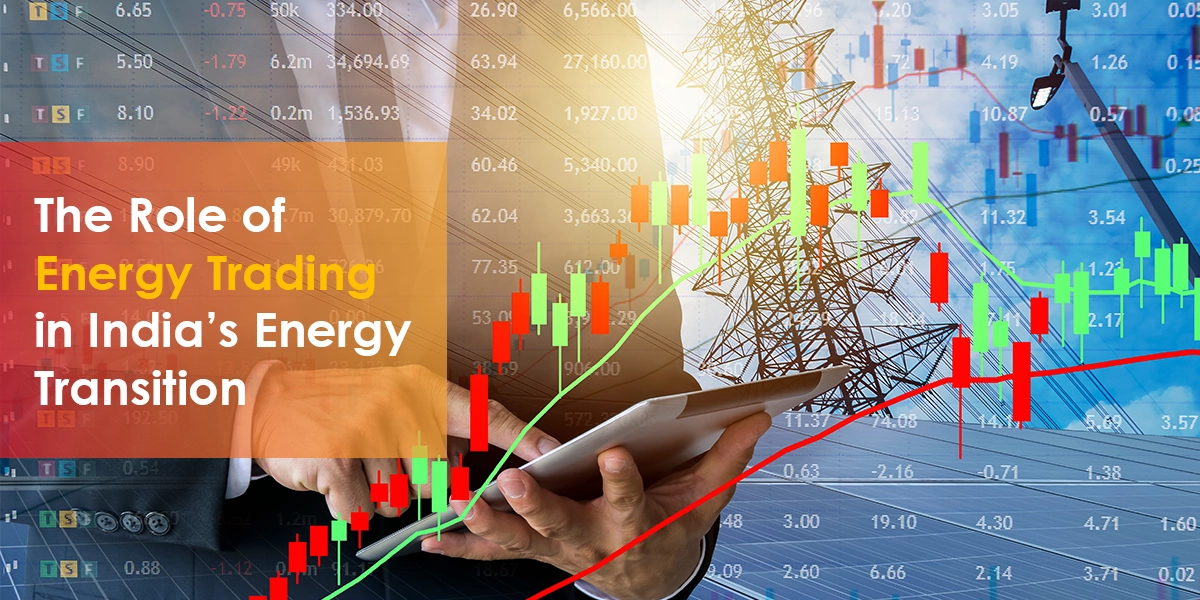
India’s energy landscape is evolving with energy trading as a key enabler of this transformation. As the country shifts toward renewables, the integration of flexible, market-driven mechanisms is becoming very important.
From enabling efficient power distribution to supporting renewable adoption, energy trading is helping to bridge the gap between generation and consumption in a dynamic energy ecosystem.
Understanding Energy Trading in the Indian Context
Energy trading in India involves the buying and selling of electricity through power exchanges and bilateral agreements, creating a transparent and competitive marketplace for efficient price discovery and competitive procurement. This system enables real-time price discovery and efficient allocation of electricity across regions. One of its key advantages is efficient energy distribution across regions, where surplus power is redirected to high-demand areas, ensuring reliability and preventing shortages. Energy trading also plays a crucial role in balancing supply and demand, helping stabilize electricity prices and creating a predictable market environment for both producers and consumers. Additionally, it supports optimised resource utilisation by reducing wastage and lowering costs, while enabling businesses to procure power more flexibly through short-term and long-term market mechanisms.Why Energy Trading Matters for Renewable Growth
1. Balancing Intermittent Energy Supply
Renewable sources such as solar and wind are not constant. Energy trading helps balance this variability by allowing surplus power to be sold and deficits to be met through the markets. There multiple markets i.e. Day Ahead, Green Day Ahead, Real Time etc which allows for most optimum procurement (for off-takers) or dispatch (for generators).2. Driving Cost Efficiency for Businesses
One of the biggest advantages of energy trading is cost optimization. Through mechanisms like open access and power purchase agreements, businesses can access renewable energy at competitive rates.3. Accelerating Corporate Sustainability Goals
Commercial and industrial (C&I) consumers are playing a major role in India’s clean energy transition. Energy trading allows these businesses to procure renewable power flexibly, aligning with their sustainability targets while maintaining operational efficiency.The Role of Integrated Energy Solutions
The future of India’s energy transition lies in integrated solutions that combine generation, storage, and trading. Companies like AMPIN are not only developing renewable assets across solar and wind but are also investing in energy trading, storage, and emerging technologies like green hydrogen. This integrated approach enables:- Better demand forecasting and load management
- Round-the-clock renewable energy supply
- Greater resilience in power systems


AMPIN Editorial
At AMPIN Transition, our editorial team is dedicated to delivering credible, well-researched insights on clean energy, infrastructure, and sustainability. We aim to make complex topics simple and engaging - offering updates, practical tips, and thought leadership that help decision-makers and readers alike stay informed, inspired, and empowered on the journey toward a greener, more sustainable future.